
Grief and the Limits of Denial
The Woman in the WindowThe story traces how Anna’s private denial keeps Ed and Olivia emotionally present, then asks her to accept death without giving up love.
increasing Bearing strength in each event
 decreasing
Bearing strength in each eventdecreasingA Story of Separation

Loss Given Another Name
Family Elsewhere
Anna tells herself that Ed and Olivia live apart from her. The explanation protects her from confronting the fact that they died in the crash.
A Necessary Fragment of Truth
Her language is technically careful but emotionally evasive. The distinction between separation and death lets Anna maintain contact while delaying grief.
Imagined Conversations
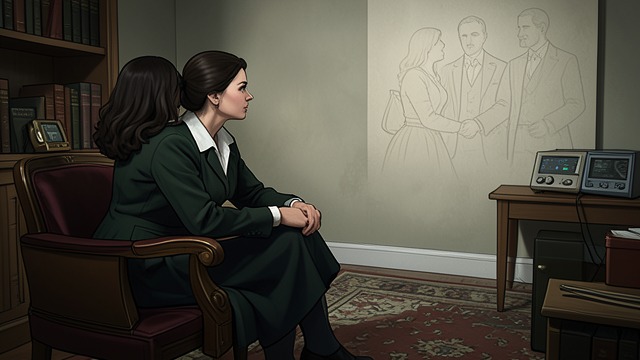
Voices as Comfort
Familiar Exchanges
Anna speaks with Ed and Olivia, drawing on the jokes and habits of their former life together. The imagined conversations reduce the emptiness of the house.
A Private Coping Practice
Anna knows that the voices are not literal communication, yet she finds them comforting. The practice preserves affection while making the boundary between memory and present life more complicated.
The Sentence That Breaks Through

Death Is Named
Norelli’s Words
Val Norelli tells Anna plainly that her husband and daughter are dead. The directness breaks through euphemisms others have used.
Recognition Without Resolution
Anna does not dispute the fact, but she cannot immediately stop hearing them. Acknowledgment begins before emotional acceptance can catch up.
Anna Tells Lizzie

A First Clear Disclosure
The Accident Described
Anna tells Lizzie that Ed and Olivia died in a car accident and that she was driving. She names both the loss and her own responsibility.
The Shame Beneath the Story
The disclosure moves Anna beyond the safer claim that her family simply lives elsewhere. Telling the truth to a stranger is a step toward facing it herself.
Love After the Voices

Remembrance Without Reliance
A Changed Practice
Anna tries not to answer Ed and Olivia every time she hears them. The change recognizes that comfort can become avoidance.
Continuing Attachment
She still remembers their warmth and carries their influence into the present. Grief does not require her to erase love, only to stop mistaking memory for physical presence.
Late October
Late October through early November
November 5
November 11
Six weeks later
